Common Artificial Turf Problems In Residential Yards
To fix common artificial turf problems in residential yards, local contractors can expertly repair, patch, or replace damaged areas to restore a smooth, safe surface.
Many property owners with artificial turf in their residential yards encounter common problems that can affect the appearance and functionality of their outdoor space. Issues such as uneven surfaces, weed intrusion, matting, and fading are typical concerns that might prompt a homeowner to seek professional repair services. Understanding these challenges helps residents recognize when their turf may need attention, ensuring their yard remains safe and visually appealing. Local contractors specializing in artificial turf repair are equipped to address these problems efficiently, restoring the yard’s original look and durability.
Exploring solutions for common artificial turf problems in residential yards is a practical step for property owners looking to maintain a beautiful outdoor environment. Whether it’s fixing damaged or worn areas, smoothing out uneven patches, or addressing underlying issues that lead to deterioration, experienced service providers can help manage these concerns effectively. Connecting with local experts ensures that turf repairs are handled with care and expertise, helping homeowners keep their yards in top condition without the need for complete replacement.
- Artificial turf patching - homeowners noticing worn or torn areas in their yards may seek local pros for seamless repairs that restore the turf’s appearance.
- Artificial turf seam repairs - when seams begin to lift or split, local contractors can re-stitch or secure them to prevent further damage and maintain a smooth surface.
- Artificial turf infill replacement - uneven or sparse infill levels often prompt residents to contact service providers for leveling and refilling to ensure proper cushioning and stability.
- Artificial turf drainage fixes - poor drainage causing pooling or water runoff issues can be addressed by local pros who install or repair drainage systems beneath the turf.
- Artificial turf stain and spot removal - stubborn stains or discoloration in residential yards lead homeowners to seek professional cleaning or spot treatment services for a cleaner look.
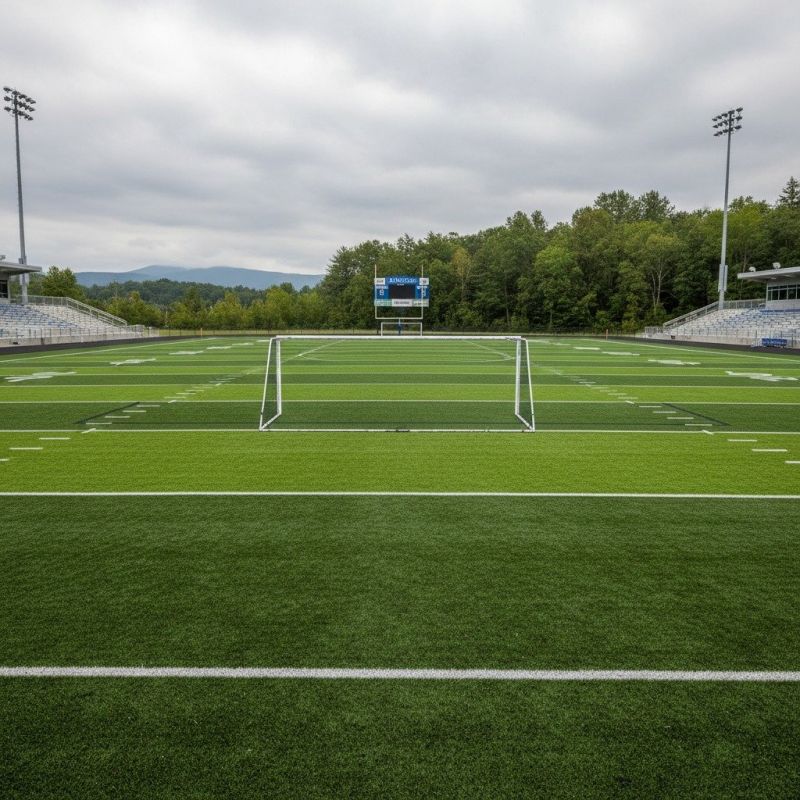
Understanding common artificial turf problems in residential yards helps homeowners recognize issues that may affect the appearance, functionality, or longevity of their outdoor spaces. Many property owners seek information about this topic when they notice uneven surfaces, patchy areas, or signs of wear and tear on their synthetic grass. These problems often relate to how the turf was installed, the quality of materials used, or ongoing environmental factors. Recognizing these issues early can prevent further damage and ensure that the yard remains an attractive and usable space for years to come.
The kinds of problems associated with artificial turf in residential settings typically include uneven surfaces, matting or flattening, and the appearance of bald patches or loose seams. Homeowners might also encounter issues like weed intrusion at the edges, drainage problems, or the buildup of debris and dirt within the turf fibers. These issues can be caused by improper installation, poor maintenance, or exposure to harsh weather conditions. Addressing these problems often requires targeted repairs or replacement of sections, which local contractors experienced in artificial turf repair can handle efficiently.
Residential properties that commonly experience artificial turf problems are often yards that see frequent use or are located in areas with challenging weather patterns. Front lawns, backyards, and even side yards with artificial grass are all susceptible to wear and tear over time. Larger properties with extensive turf areas may face more significant issues related to drainage or seam integrity, while smaller yards might struggle with patchiness or uneven surfaces. Regardless of property size, understanding the specific issues that can arise helps homeowners decide when to seek professional repair services to restore their yard’s appearance and functionality.
For homeowners facing common artificial turf problems in residential yards, connecting with experienced service providers is a practical step toward resolving issues efficiently. Local contractors specializing in artificial turf repair can assess the problem, recommend appropriate solutions, and perform the necessary work to restore the yard’s look and performance. Whether it involves fixing seams, replacing damaged sections, or improving drainage, these professionals provide the expertise needed to address a variety of turf-related concerns. Recognizing the types of problems that can occur and knowing where to find qualified help can make maintaining a beautiful, functional yard much easier.
Landscape design projects - these involve planning and installing various yard features that require similar surface preparation and material knowledge as artificial turf repair.
Drainage system installations - addressing drainage issues in residential yards often overlaps with turf repair, as proper grading and sub-base work are essential.
Soil leveling and grading services - these projects ensure a stable foundation for turf, making them closely related to fixing uneven or sunken artificial grass areas.
Hardscape installation - constructing patios, walkways, or retaining walls involves surface work that complements turf repair skills for seamless yard improvements.
Synthetic surface repairs - work on other synthetic surfaces like sports courts shares techniques for patching, seam repair, and surface rejuvenation with turf fixes.
Yard renovation projects - comprehensive landscape upgrades often include turf repair as part of creating a uniform and functional outdoor space.
When evaluating service providers for artificial turf repair, it is important to consider their experience with similar projects. Homeowners should inquire about the types of artificial turf issues they have addressed and the complexity of past repairs. A contractor with a history of successfully resolving common artificial turf problems in residential yards is more likely to understand the nuances involved and deliver a quality solution. This experience can help ensure that repairs are handled efficiently and effectively, minimizing the chances of recurring issues.
Clear communication about project expectations is essential when comparing local contractors. Homeowners should seek providers who can clearly explain the scope of work, the repair process, and any potential limitations. Having a detailed, written outline of what will be done helps prevent misunderstandings and sets realistic expectations. Transparent communication also indicates professionalism and a commitment to customer satisfaction, making it easier to evaluate which service providers are best suited to handle artificial turf repair needs.
Reputable references and reviews are valuable tools for assessing the reliability of local contractors. Homeowners are encouraged to ask for references or seek out reviews from previous clients who have had similar artificial turf problems addressed. This feedback can offer insights into the quality of work, professionalism, and communication skills of the service provider. Additionally, establishing good communication channels throughout the project can help ensure that concerns are addressed promptly and that the repair process proceeds smoothly, resulting in a more satisfactory outcome.
Property owners often search for common artificial turf problems in residential yards when they are planning practical projects around their homes and businesses. Local pros provide Artificial Turf Repair services for everyday jobs and straightforward project options.
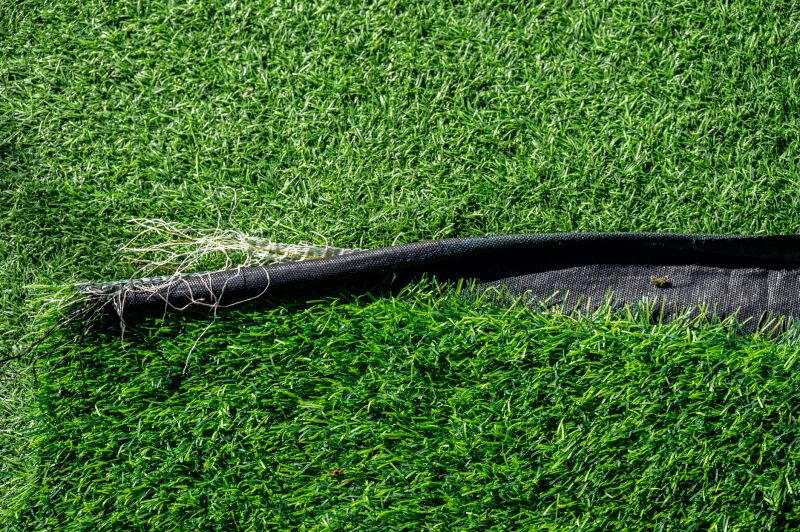
Many homeowners in the area turn to artificial turf to create a low-maintenance, attractive yard. However, common artificial turf problems in residential yards can arise over time, such as uneven surfaces, seams coming apart, or areas showing signs of wear and tear. These issues often occur due to heavy foot traffic, poor installation, or exposure to the elements, leading property owners to seek professional repair services to restore their yard’s appearance and functionality.
Property owners noticing bald patches, loose infill, or drainage problems may look into artificial turf repair services offered by local contractors. Skilled service providers can address these issues efficiently, whether it involves re-seaming sections, replacing damaged turf, or fixing drainage concerns. Connecting with experienced local pros ensures that repairs are handled properly, helping maintain the yard’s aesthetic appeal and prolonging the lifespan of the artificial turf.
What are common signs of artificial turf damage in residential yards? Signs include uneven surfaces, visible seams or wrinkles, and areas where the turf appears worn or faded, indicating the need for repair services from experienced contractors.
How does improper installation affect artificial turf longevity? Poor installation can lead to issues like poor drainage, shifting, or lifting of the turf, which local contractors can address through proper repair and maintenance techniques.
What causes artificial turf to develop bald spots or thinning areas? These problems often result from heavy foot traffic, pet activity, or inadequate infill, and professional repair can restore the turf’s appearance and function.
Can pet damage be fixed on artificial turf? Yes, local service providers can repair pet-related issues such as digging, staining, or odor problems, helping to restore the turf’s look and safety.
What are the common causes of drainage problems in artificial turf yards? Drainage issues may be caused by improper base preparation or clogged infill, and experienced contractors can repair these problems to ensure proper water flow.
Identifying and fixing uneven surfaces - property owners can plan to have local contractors level and secure turf areas that have developed dips or bumps for safer, more attractive yards.
Addressing turf fading and discoloration - homeowners might consider professional cleaning or replacing sections to restore a natural look, with local pros providing expert guidance.
Repairing tears and seams - residents can learn to spot damage early and work with local contractors to re-seam or patch areas to prevent further deterioration.
Managing drainage issues - property owners can evaluate and improve water runoff around artificial turf, with local service providers offering solutions to prevent pooling and damage.
If you are thinking about common artificial turf problems in residential yards for a property, this guide is meant to help you understand this topic, the typical project types, and how different options might fit your plans.
When you are ready, you can use the quote form on this page to share a few details about your project. From there, local pros can review the basics and follow up with options that match what you have in mind.