Poison Oak Removal in Burlington County, NJ
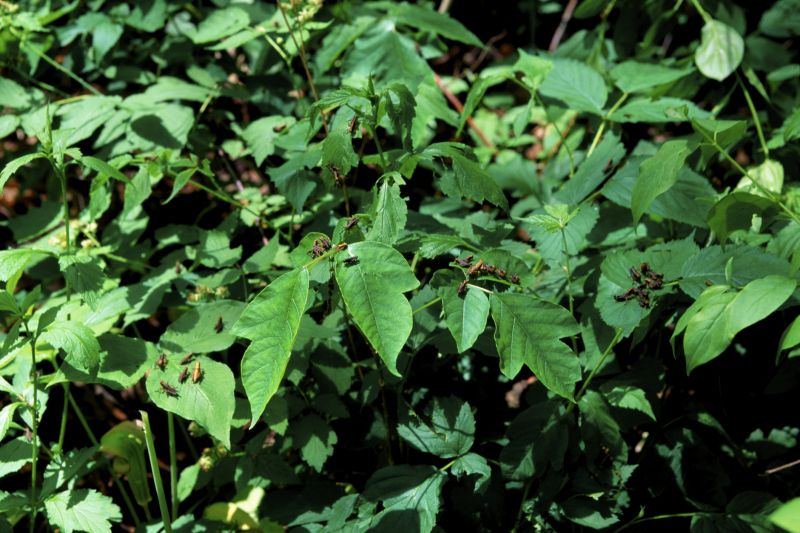
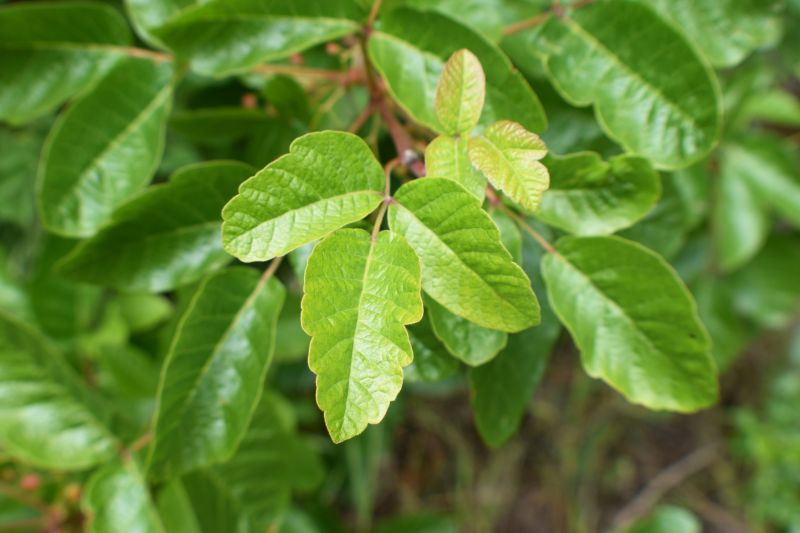
Poison oak removal services focus on safely eliminating this invasive and potentially harmful plant from residential properties. These services typically cover projects such as clearing overgrown areas, removing poison oak from yards, gardens, and landscaping, and restoring safe outdoor spaces for families and pets. Property owners often seek this service to prevent skin irritation, allergic reactions, and to improve the overall appearance and safety of their outdoor environments.
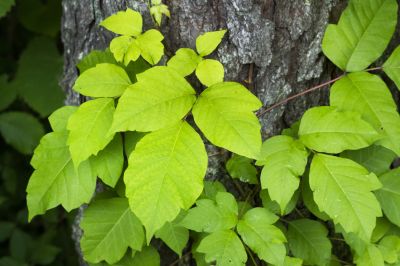
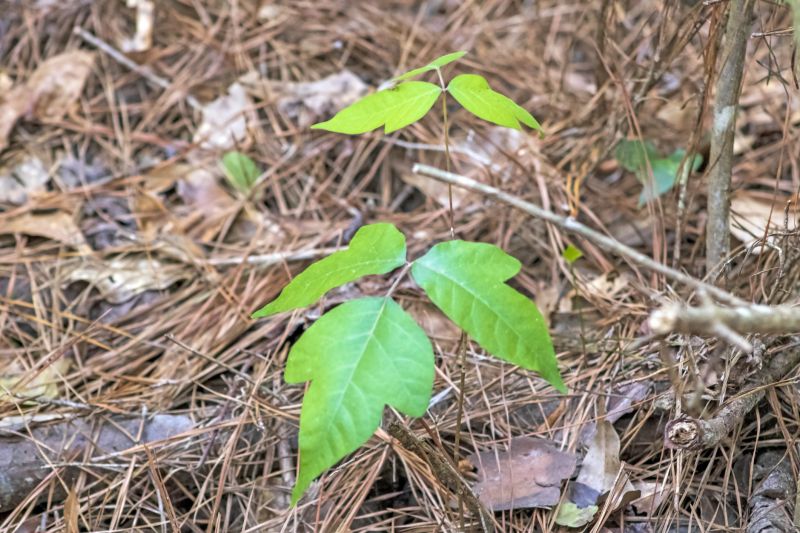
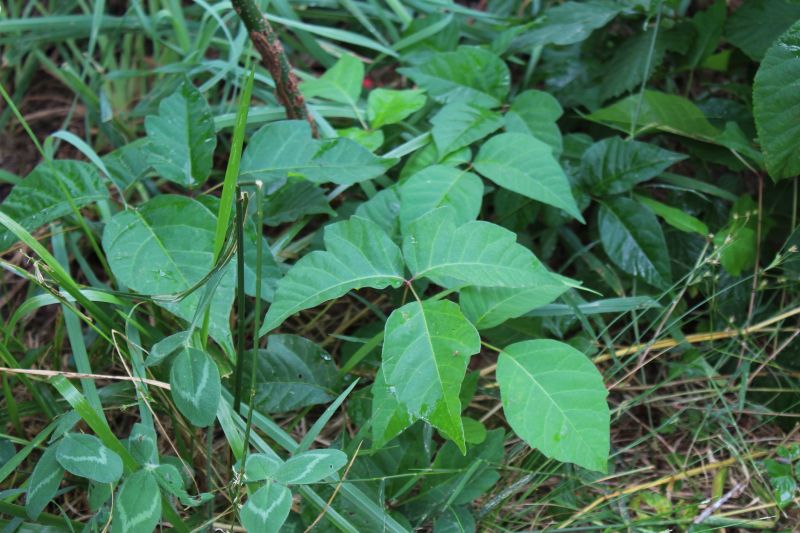
Before requesting poison oak removal, property owners should consider the extent of the infestation and whether the plant has spread to difficult-to-access areas. It’s helpful to understand the size of the affected area, the presence of other hazardous plants nearby, and any specific concerns related to pets or children. Proper identification of poison oak is essential to ensure the correct removal methods are used, reducing the risk of accidental contact and ensuring the space is safely restored.
Many property owners in Burlington County, NJ look into Poison Oak Removal for repairs, replacements, upgrades, and appearance-related improvements.
Poison Oak Removal For Residential Properties
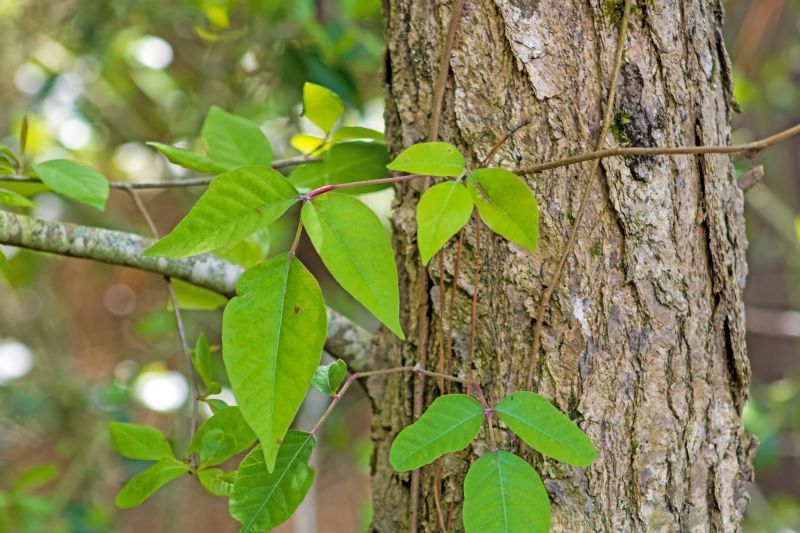
Removing poison oak helps protect families and pets from skin irritations and allergic reactions.
Commercial Property Poison Oak Clearing
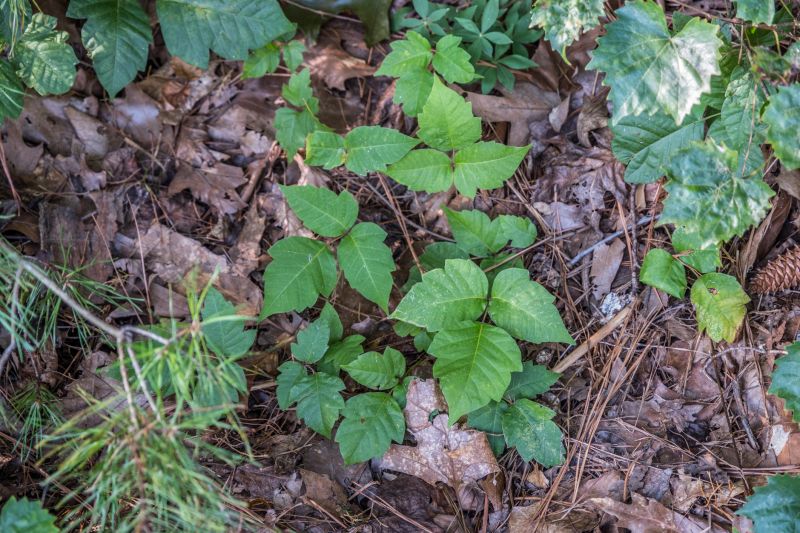
Clearing poison oak from business grounds ensures safety for employees and visitors alike.
Preventative Poison Oak Management
Regular maintenance reduces the risk of poison oak spreading on outdoor landscapes in burlington county, nj.
Poison Oak Removal in Burlington County, NJ
Poison oak removal services focus on safely eliminating this invasive and potentially harmful plant from residential properties. These services typically cover projects such as clearing overgrown areas, removing poison oak from yards, gardens, and landscaping, and restoring safe outdoor spaces for families and pets. Property owners often seek this service to prevent skin irritation, allergic reactions, and to improve the overall appearance and safety of their outdoor environments.
Before requesting poison oak removal, property owners should consider the extent of the infestation and whether the plant has spread to difficult-to-access areas. It’s helpful to understand the size of the affected area, the presence of other hazardous plants nearby, and any specific concerns related to pets or children. Proper identification of poison oak is essential to ensure the correct removal methods are used, reducing the risk of accidental contact and ensuring the space is safely restored.
Many property owners in Burlington County, NJ look into Poison Oak Removal for repairs, replacements, upgrades, and appearance-related improvements.
Common Poison Oak Removal Jobs
Poison Oak Removal - removal services target poison oak plants to protect landscape health.
Yard Clearing - clearing overgrown areas with poison oak to improve safety and appearance.
Brush and Shrub Removal - removing infested bushes and shrubs to prevent plant spread.
Property Clearing - comprehensive removal of poison oak from residential and commercial sites.
Landscaping Cleanup - clearing poison oak to prepare yards for new planting or development.
Vegetation Management - controlling poison oak growth to maintain a safe outdoor environment.
Poison Oak Removal Questions
What is poison oak removal? It involves safely eliminating poison oak plants from residential or commercial properties to reduce exposure risks.
When should poison oak be removed? Removal is recommended when poison oak is growing near outdoor living areas, pathways, or play zones to prevent contact.
What methods are used for poison oak removal? Techniques include manual removal, trimming, and targeted herbicide application to effectively clear plants.
Why hire a professional for poison oak removal? Professionals ensure safe and thorough removal, minimizing the risk of skin irritation and plant regrowth.
Request Poison Oak Removal in Burlington County, NJ
Use the quote form on this page to share the basics of your project and request more information for the type of work you need.